Meet the neighbours · wild edible
Dandelion
Far more nutritious than its 'weed' reputation suggests — leaves, flowers, and roots are all useful.
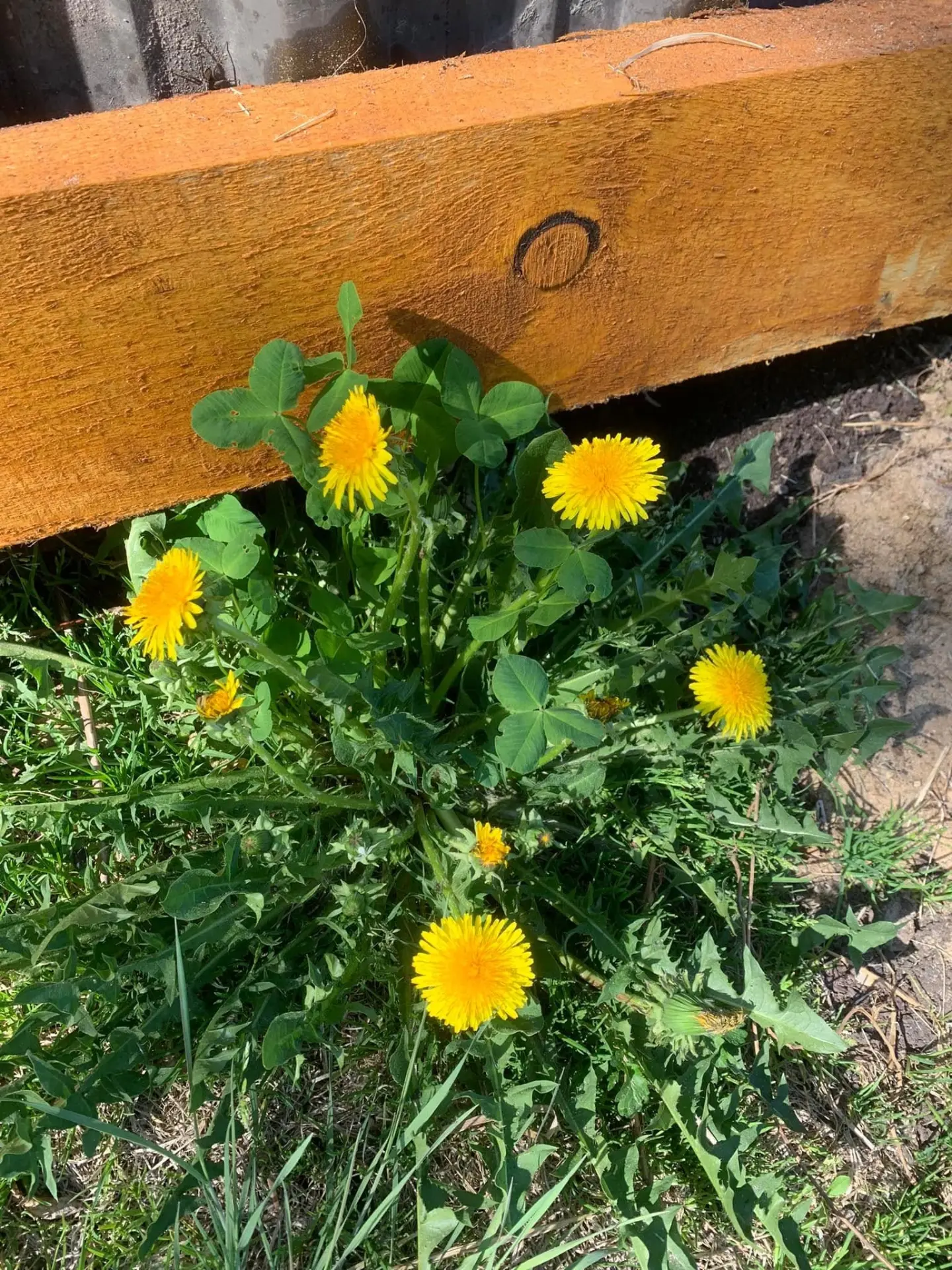
Dandelion is the neighbour you keep trying to evict, who was feeding you all along. Far more nutritious than its 'weed' reputation suggests, its leaves contain nearly as much iron as spinach and four times more vitamin A, plus calcium, phosphorus, magnesium, and antioxidants.
Traditionally used for liver support, urinary health, inflammation, blood sugar and blood pressure regulation.
The name comes from the French 'dent de lion,' meaning 'lion's tooth,' referring to its jagged leaves. Beyond its nutritional value, dandelion is believed to have antimicrobial and antiviral properties that support the body's ability to fight infection.
How to grow it
- Cindy keeps a dedicated 'Protected Zone' in her garden specifically for dandelions and other beneficial 'weeds,' since they spread aggressively if left unchecked elsewhere.
- Skip lawn sprays entirely if you plan to eat any part of it.
- Harvest leaves before flowering — after that they turn bitter.
How to use & eat it
- Young spring leaves are best in salads (less bitter).
- Flowers can be tossed into salad or made into a surprisingly refreshing iced tea — steep flower heads in boiling water, cool, no sweetener needed.
- Roots can be toasted at 375°F for 20-30 minutes until they smell chocolatey, then brewed like coffee — a real dandelion 'coffee' substitute.
Makes friends with
Companion planting is just good neighbouring — these do better beside Dandelion.
Other neighbours
- ChickweedA low-growing, self-seeding 'weed' Cindy calls one of her most valued plants — mild, nutritious, and worth protecting, not pulling.
- Garlic ChivesFlat-leafed chives with a real garlic bite — a handy stand-in while the bulbs are still ripening.